
The History of the German Gay Movement since 1960
The history of the German gay movement since 1960 is a story of courage, resistance, rebellion—and ultimately, change. From the invisibility and criminalization of the 1960s to today's visibility and legal equality, it has been a long road. However, this path was anything but straight. It was shaped by social change, political struggles, and cultural awakenings. This article provides an overview of the central stages and achievements of the gay movement in Germany since the 1960s.
The 1960s: Life in the Shadow of Paragraph 175
Well into the 1960s, homosexuality was criminalized in the Federal Republic of Germany. The notorious §175 of the Criminal Code, which penalized sexual acts between men, was a major hurdle for a self-determined gay life. Although legislation was slightly mitigated under Adenauer compared to the Nazi era, many men continued to live in fear of persecution, social ostracism, and loss of employment.
Despite these adverse circumstances, the first gay subcultures emerged, primarily in large cities like Berlin, Hamburg, or Cologne—mostly in secret. Associations like the "Bund für Menschenrecht" (League for Human Rights) tentatively tried to organize gay men but remained marginalized. The so-called "underworld" of gay bars, cruising spots, and private parties was often the only refuge.
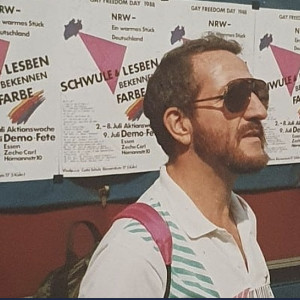
The 1970s: Awakening and Protest
A turning point came with the social upheaval of the 1968 movement. Demands for sexual liberation, individuality, and political participation gave homosexual people new courage. In 1969, §175 was reformed: consensual homosexual acts between adults were legalized, although an age difference of 21 remained a special limit—a clear form of discrimination.
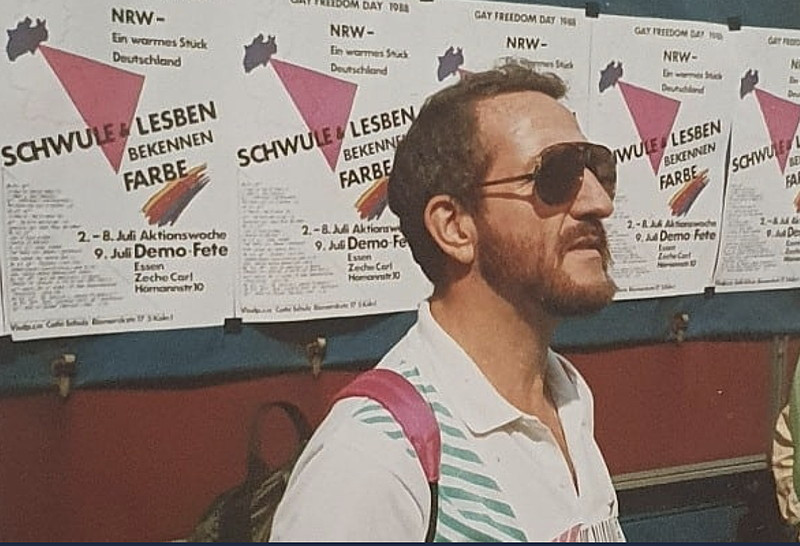
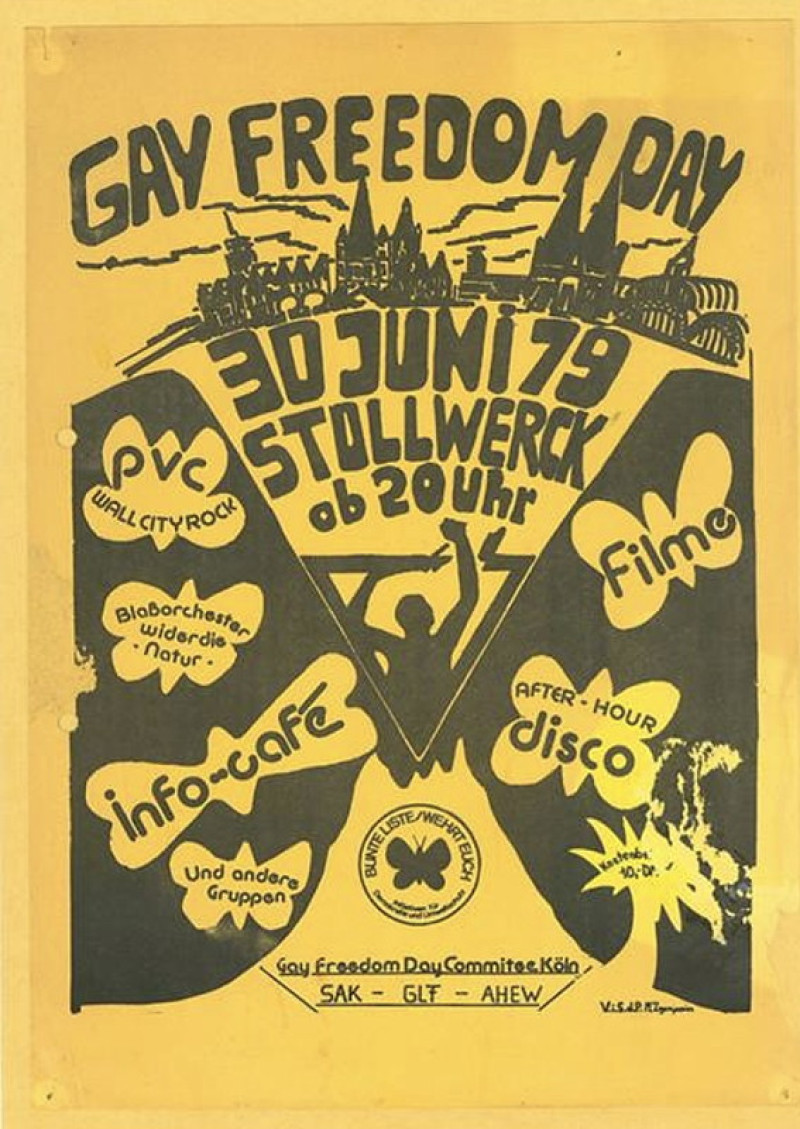
In 1971, the first autonomous gay group was founded in Berlin: the "Homosexuelle Aktion Westberlin" (HAW). It was radical, loud, and visible. Its goal: to take homosexuality out of the taboo zone and strengthen self-confidence. Similar groups emerged in many cities thereafter, often within university environments and leftist movements. The gay movement organized demonstrations, held "kiss-ins," and protested against social discrimination and state repression.
The 1980s: The AIDS Crisis and New Solidarity
The 1980s were overshadowed by the AIDS crisis. The immunodeficiency disease primarily affected gay men and led to a new wave of stigmatization. Media spoke of the "gay plague," and politicians called for measures like mandatory reporting or forced testing. However, this period also showed the strength of the gay movement: self-help groups, counseling centers, and awareness campaigns were organized within a short time—often faster and more effectively than state measures.
At the same time, the movement gained professionalism: gay counseling services, the magazine Du & Ich, the founding of the LSVD (Lesbian and Gay Federation in Germany, 1990), and political lobbying became more important. Gay identity also became more visible culturally—for example, through films, plays, or high-profile outings.
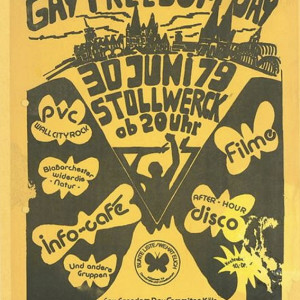
The 1990s and 2000s: Equality as a Goal
After the fall of the Berlin Wall in 1989, the West and East German gay movements merged. In the GDR, homosexuality had been officially legal since 1968, but socially it remained marginalized. In the 1990s, legal equality and recognition became the most important demands. In 1994, §175 was finally abolished—a historic moment.
Visibility on Screen: Television as an Engine of Normalization
An often underestimated but enormously effective factor for the social acceptance of gay men was television. From the 1990s onwards, things began to move on the screen as well. The ARD series Lindenstraße made history when it showed the first same-sex kiss between two men on German television in 1987—a taboo break that caused a sensation nationwide. In the following years, the gay character Carsten Flöter became one of Germany's most famous television characters.
Other formats followed suit: series like Inspector Rex, Tatort, or Der Fahnder integrated gay supporting characters. Later, formats like Berlin, Berlin, Alles was zählt, or Verbotene Liebe were added, showing homosexual characters not just as marginal figures but with real relationship and life stories.
Forced Outing for the Movement
In December 1991, director and activist Rosa von Praunheim caused a stir with a TV appearance on the show Explosiv – Der heiße Stuhl when he unexpectedly outed the prominent entertainers Alfred Biolek and Hape Kerkeling as homosexual—without their prior consent. This public forced outing triggered a fierce debate about privacy, self-determination, and responsibility within the gay emancipation movement. While many found the move intrusive and hurtful, von Praunheim defended his decision, saying: "I did something then that one actually shouldn't do. But it was necessary to get the debate going." (quoted from: DER SPIEGEL, No. 50/2001)
Indeed, the incident marked a turning point in the public perception of homosexuality in Germany, as it triggered a broader discussion about queer visibility in the media and the role of prominent figures in the community.
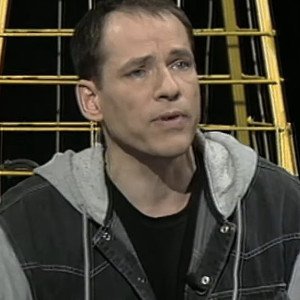
This media visibility was of invaluable worth. It offered identification—not just for gay youth, but also for their families, colleagues, and teachers. Through familiar TV faces, homosexuality became "more normal," more tangible, more everyday. The television became—unintentionally or consciously—an ally of the movement: an educational tool in the living room.
The talk shows of the 90s, as shrill as they sometimes were, also contributed to visibility. Formats like Arabella, Vera am Mittag, or Britt invited openly gay guests to speak about their lives—sometimes cliché-ridden, sometimes touchingly honest.
Prominent coming-outs like those of Hape Kerkeling or later Guido Westerwelle also acted as catalysts for consciousness change. The combination of everyday life, prominence, and media presence helped break down prejudices and establish a new naturalness: gay men are part of this society—everywhere.
Another milestone: In 2001, the SPD-Green federal government introduced the Civil Partnership Act. Gay couples could now legally bind themselves—even if they did not receive the same rights as heterosexual married couples. Nevertheless, it was an important symbolic step on the way to marriage for all. The era was also characterized by increasing visibility: CSDs (Christopher Street Day) became mass events.
Since 2010: Marriage for All and Beyond
In 2017, the Bundestag decided by a large majority to open marriage to same-sex couples. Since then, gay (and lesbian) couples can marry and adopt children. With this, a central goal of the gay movement was achieved.
But the fight is not over: hate crimes against queer people are increasing, especially on the internet but also on the street. In rural areas, many queer people continue to experience discrimination. At the same time, a new generation of queer activists is emerging that sees itself as intersectional, inclusive, and more diverse than previous movements. Topics such as trans rights, queerness in a migrant society, or non-binary identities are coming more into focus—including within the gay community.
Conclusion: From the Margin to the Centre—and Further
The German gay movement has achieved enormous social and legal progress over the last six decades. From criminalization to political awakening to legal equality, the path was long—but successful. Today, being gay is no longer a taboo. But visibility does not equal safety, and acceptance must be defended time and again.
The movement has shown: change is possible—if one remains loud, solidary, and steadfast.