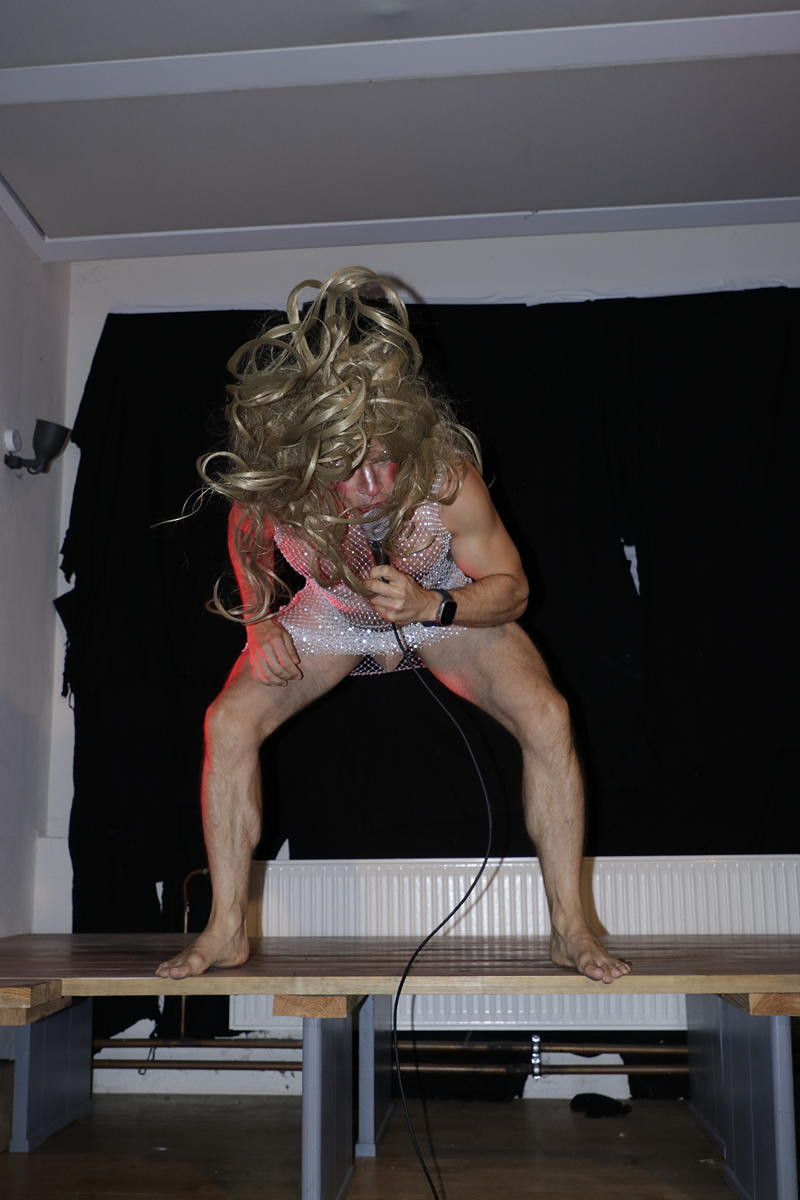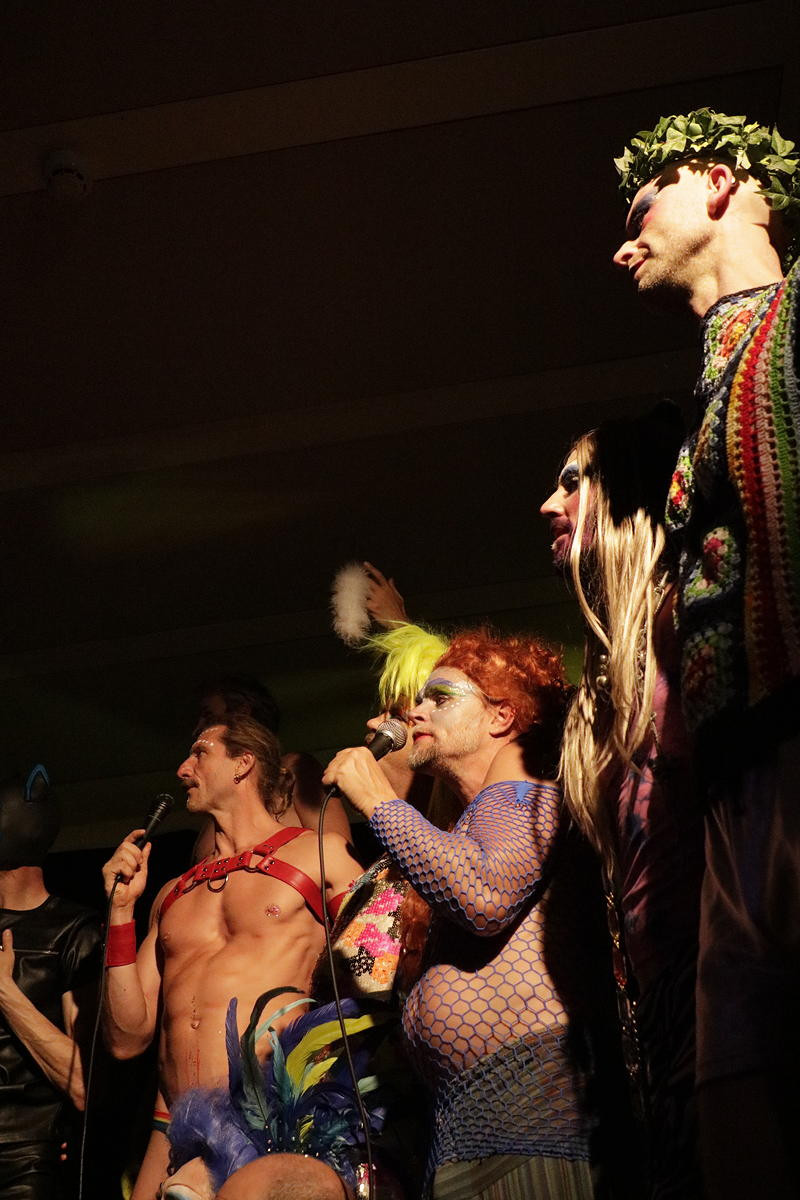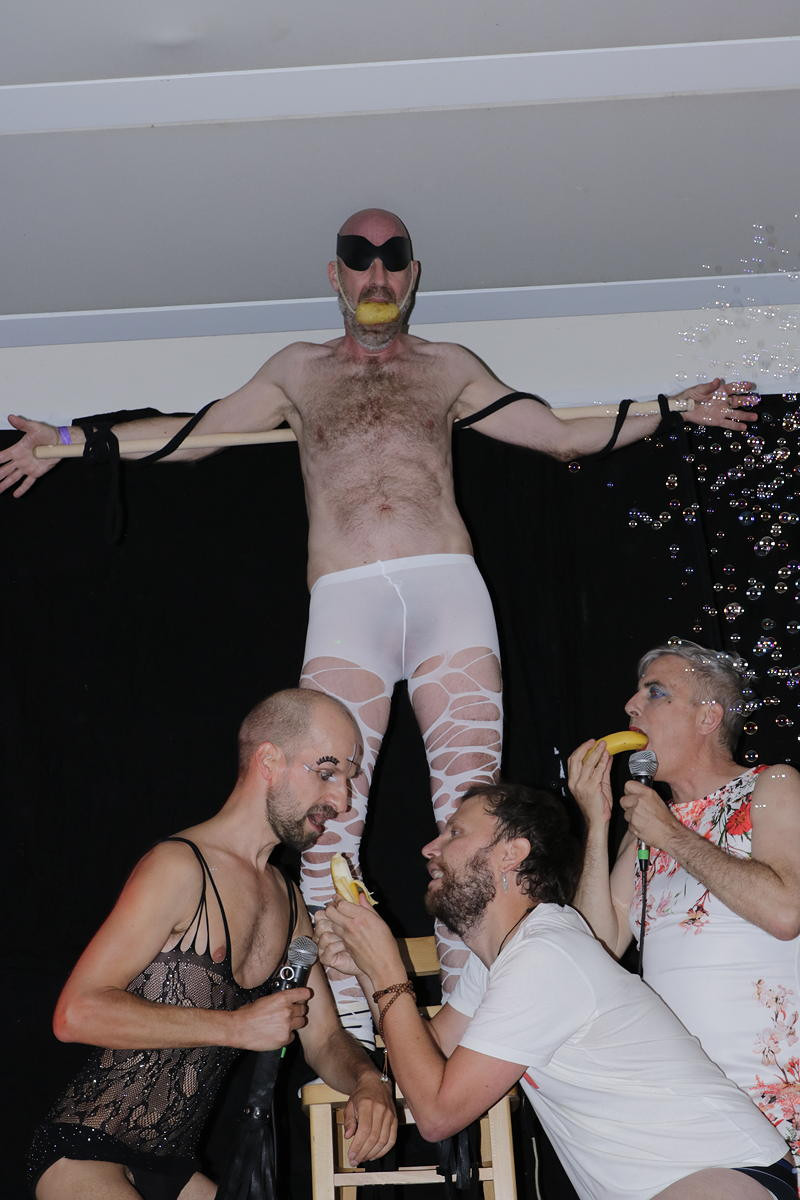

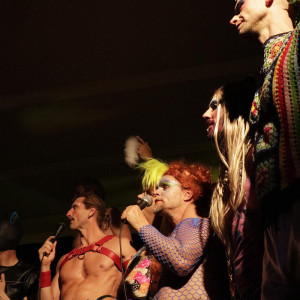
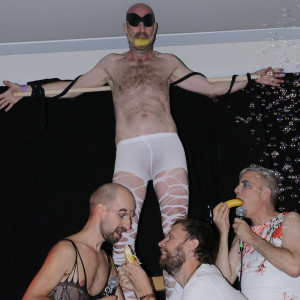
The Summer Evolution Festival 2023 summer party was supposed to be a celebration of joy, imagination, and the queer community. Under the theme “Queer Circus Cabaret,” guests arrived in creative costumes that reflected the community’s vibrant diversity. But what began as a lively celebration turned into a heated political discussion due to a thoughtless choice of costume, resulting in hurt feelings, particularly among our BIPoC participants (Black, Indigenous, and People of Color). The evening taught us an important lesson about different experiences of discrimination, sensitivity, and the power of symbols.
What Happened
One guest had dressed up as a “sun-tanned Calabrian” and darkened his skin with dark brown makeup. Some of those present quickly went into shock. The exuberant mood took a sudden turn. The costume was interpreted as blackfacing—a practice historically associated with racist stereotypes and the denigration of Black people.
Blackface dates back historically to the minstrel shows of the 18th and 19th centuries, in which white performers blackened their faces to mock Black people as naive, stupid slaves—thereby reinforcing racist stereotypes that extended far beyond the stage into everyday culture, film, and advertising.
The guest explained that his costume was not about blackfacing, but rather about portraying a dark-skinned Italian. Yet for some, a line had been crossed. Our BIPoC participants, in particular, felt attacked and demeaned. The party turned into a tense standoff in which experiences of discrimination, political contexts, and personal feelings collided.
The festival team tried to smooth over the conflict but did not engage in a clarifying discussion so as not to interrupt the party. Some perceived this as inappropriate—while the majority of guests simply continued partying. The next morning, Valentin, in consultation with those affected, gave a speech to clarify the historical and emotional significance of blackfacing. The guest reiterated his intention, and the community began to reflect on the experience.
What We Learned from This
This incident has shown us how important it is, at costume parties—and in general when using stereotypes—to consider not only our own creativity but also the external impact and the feelings of others. Here are a few points we want to keep in mind going forward:
1 The impact of costumes:
Costumes are not only forms of personal expression but can also convey messages. It is important to be aware of how certain portrayals might affect others—especially marginalized groups. It is everyone’s responsibility to educate ourselves about the history of discrimination, particularly to ensure we do not repeat it.
2 Inclusion and sensitivity:
We strive for a community where everyone feels comfortable. This means taking others’ perspectives and feelings seriously and responding sensitively to potential hurt feelings.
3 The Power of Intention—and Its Limits:
The guest had no intention of causing offense—to him, the costume was a harmless portrayal. But even if we personally find something completely acceptable, it may be perceived differently by others. Especially when it comes to topics like skin color or cultural stereotypes, it’s worth taking a step back and asking: How might this come across to others? Do I understand the history behind these stereotypes? Intention is important, but it does not inherently prevent others from being hurt, nor does it alone justify one’s own actions. We must learn to take responsibility for the potential consequences of our actions—even if they are unintentional. If someone signals to me that they feel hurt, it’s advisable not to react defensively, but to try to understand the experiences behind their perspective. This is especially true when it comes to social power imbalances—in other words, particularly in cases of discrimination.
4 Dialogue and Education:
Conflicts offer an opportunity to learn from one another. Through open conversations and education, we can clear up misunderstandings and strengthen our community.
Our message to you: We’re learning from this and will put these lessons into practice with determination. Please be mindful that your intentions can be misinterpreted. Your costume may not be to everyone’s taste, but it must not belittle anyone—not even unintentionally or by accident.
We look forward to unforgettable moments and (respectful) fun together!